Signs Your Gas Furnace Needs Repair often appear before the system fails completely. You may hear unusual noises, notice that some rooms feel warmer or colder than others, or realize the airflow from your vents is weaker than normal.
Sometimes, the furnace may keep running without properly heating the home. You might also notice higher energy bills, reduced indoor air quality, or unusual smells like gas or something burning.
Problems such as banging sounds, short cycling, or uneven heat should not be ignored, as they can lead to bigger repairs and safety concerns. Watching for these signs early can help you aid the issue before it gets worse and know when it is time to call a professional heating expert.
Strange Sounds Are Coming From Your Furnace
A gas furnace should not suddenly become louder than usual. If you hear banging (loud, sudden noises), rattling (loose parts vibrating), squealing (high-pitched sounds), grinding (metal parts scraping), or repeated clicking (electrical components engaging), something is likely off inside the system.
These sounds can point to loose parts, worn components, blower issues (problems with the fan that moves air), or electrical trouble. Even if the heat is still working, strange noises are often an early sign that the problem is getting worse.
Carrier notes that sound like banging, grinding, and squealing can signal worn or damaged parts that need attention. Some homeowners wait because the furnace still turns on.
That is where trouble starts. A part that is only noisy today can fail completely later, often when you need heat the most.
Strange sounds also tend to get worse under strain (when the furnace is running often or working harder due to cold weather). Calling for service early can help prevent a more costly repair and may prevent damage from spreading to other parts of the unit.
Your Thermostat Reading Doesn’t Match the Indoor Temperature
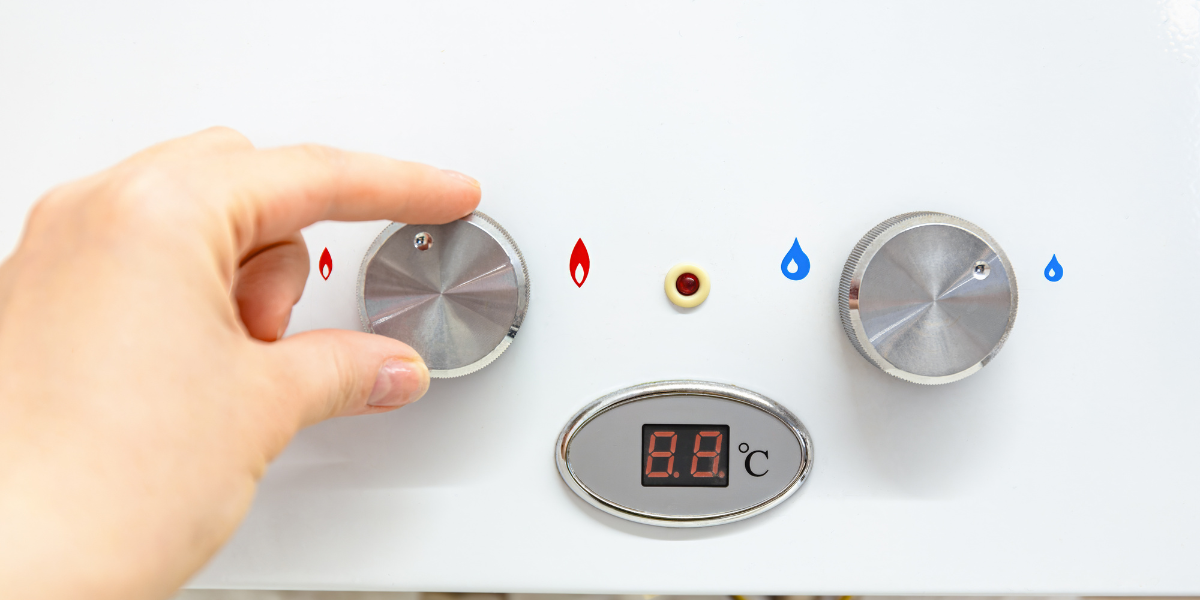
If your thermostat says one thing but your home feels completely different, your heating system is not functioning properly. The problem could be the thermostat itself (the device on your wall that controls your home’s temperature), weak batteries, incorrect settings, wiring issues, or a furnace that is struggling to respond to the signal it is receiving.
Carrier advises checking that the thermostat is powered on and set correctly to heat when a furnace is not working as expected. Lennox also notes that thermostat readings can sometimes be adjusted when the displayed temperature differs from the actual room conditions.
This kind of mismatch usually shows up as rooms that feel colder than the number on the wall suggests. It can also show up as short cycling (when the furnace turns on and off too quickly), uneven heating (where some rooms are warmer or cooler than others), or longer run times (the furnace runs for extended periods) that still do not make the house comfortable.
If the setting looks right but the comfort level does not match, it is time to have the system checked. A thermostat issue may be simple, but it can also be a sign of a larger furnace performance problem.
You Notice a Gas Smell in Your Home
A gas smell is never something to brush aside. If you notice a rotten-egg odor (a chemical added to natural gas to detect leaks) near your furnace or anywhere in the home, treat it as a serious warning sign.
NFPA explains that fuel gases are given that distinct smell so leaks can be detected quickly. EPA also advises turning off potential sources of carbon monoxide and getting fresh air when there is concern about a fuel-burning appliance.
Do not try to troubleshoot the furnace while the smell is present. Leave the area, avoid using switches or anything that could create a spark, and contact your gas utility or emergency services right away.
This is not a wait-and-see situation. A gas leak (when fuel escapes from the furnace’s piping or connections) can put your home and everyone in it at risk. Just as important as detecting gas, you should also watch for weak or cold airflow from your vents.
Your Furnace Is Blowing Cold or Lukewarm Air
When the furnace is running, but the air from the vents feels cold or only slightly warm, something is wrong. Sometimes the cause is minor, such as a thermostat set incorrectly, the fan switched to “on” instead of “auto,” a dirty filter, or too many closed vents.
Carrier notes that cold air can be tied to thermostat settings, clogged filters, or airflow problems, though some cases need a trained technician.
The bigger issue is that your home is not getting the heat it needs. That means the system is working without delivering real comfort, which can drive up energy use and put extra strain on the equipment (causing parts to work harder than normal).
If the basic settings are correct and the problem continues, professional furnace repair is the next step. A furnace that cannot deliver proper heat should not be ignored. Another key safety signal is if your carbon monoxide detector is triggered.
Your Carbon Monoxide Detector Has Been Triggered
If the carbon monoxide alarm sounds, get everyone outside right away and move to fresh air. Carbon monoxide is invisible, so it can become dangerous very quickly.
Never ignore the alarm or assume it went off by mistake. Call emergency services and stay out of the house until professionals confirm it is safe to return.
A carbon monoxide alert may indicate that your furnace is not operating safely and should not be used until it has been checked by a qualified technician. Even if no one feels sick, keep the system turned off until it has been inspected.
If anyone has symptoms like headache, dizziness, nausea, weakness, or confusion, seek emergency help immediately. Taking a warning like this seriously can help prevent a much more dangerous situation.
Final Thoughts
A furnace rarely stops working without first showing signs. Strange noises, uneven heating, gas odors, thermostat problems, weak airflow, and carbon monoxide alerts all signal that something is wrong.
Addressing these issues early can help restore proper heating, reduce the risk of a breakdown, and keep your home safer. Routine maintenance and timely repairs also help your furnace last longer and prevent more expensive problems later on.
Paying attention to these factors and acting quickly can make a big difference in both comfort and safety.
If you have noticed any of these warning signs, do not wait for your furnace to stop working completely. Visit Pespisa Company for expert assistance and Contact Us today to schedule your furnace repair.