
- Heating Services
- Oil To Gas Conversions
Oil-to-Gas Heating Conversion in Middlesex County, MA
Upgrade from Oil to Natural Gas
Considering replacing your oil heating system with natural gas? Pespisa Company provides complete oil-to-gas conversion services for homeowners throughout Middlesex County, MA.
We begin by evaluating your current heating equipment, natural gas availability, venting, gas-line requirements and oil tank. Our team will then explain the work involved, recommend suitable equipment and provide a detailed estimate based on your home.
From utility and permit coordination to equipment installation, oil-system removal and final testing, Pespisa can help manage every stage of the transition.
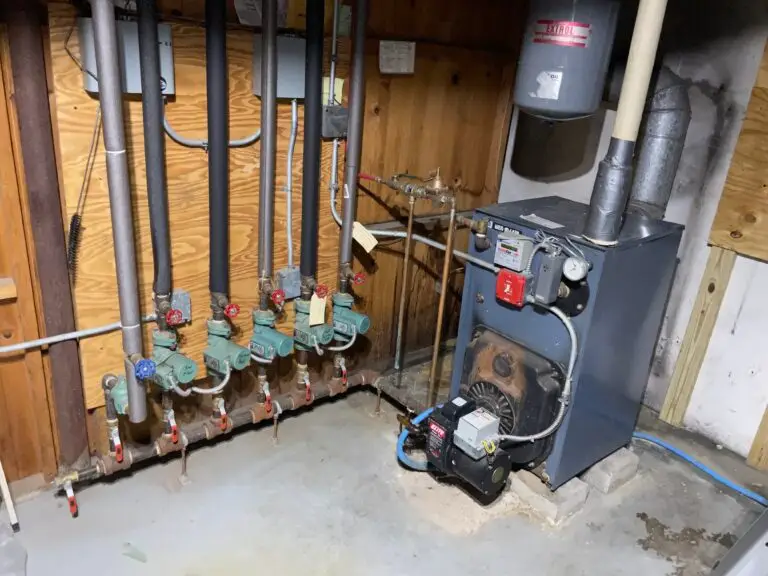
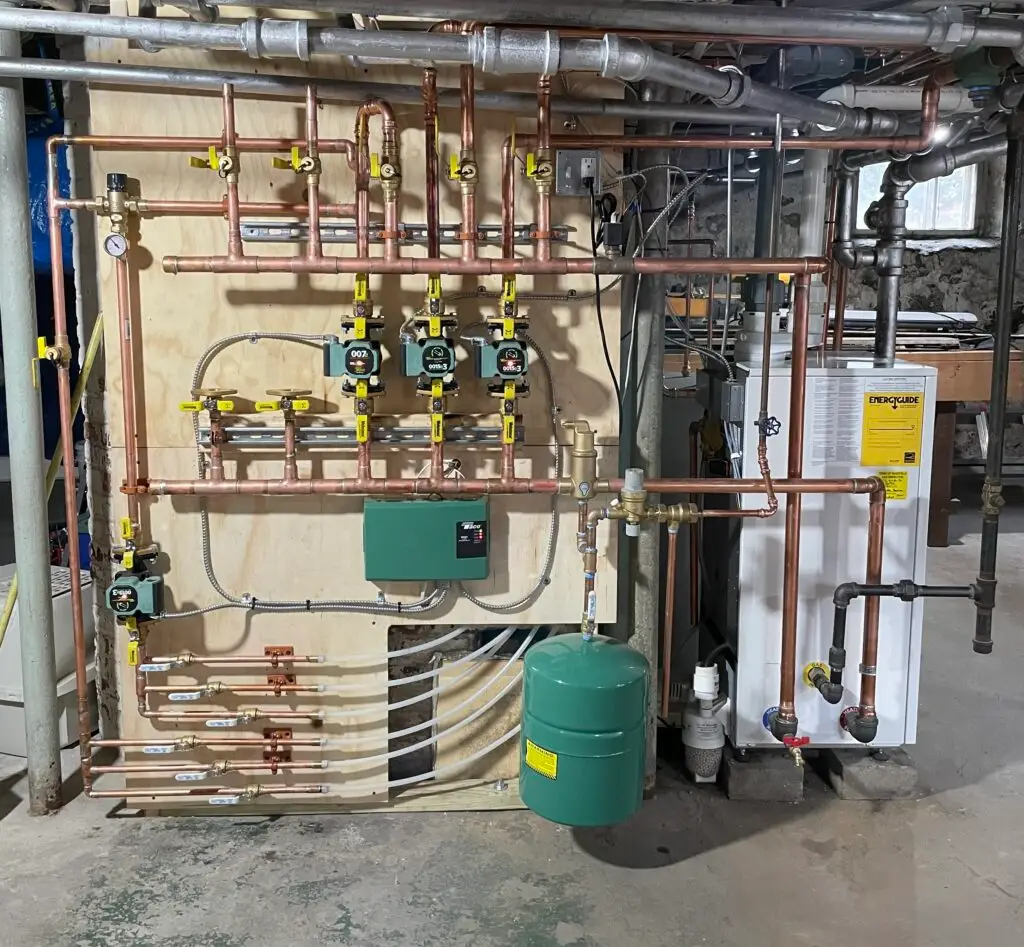
Is Oil-to-Gas Conversion Right for Your Home?
An oil-to-gas conversion can be a worthwhile heating upgrade, but the right solution depends on the property. Before recommending a new system, we evaluate the equipment, infrastructure and heating requirements of your home.
Important factors include:
- Whether natural gas service is available at the property
- The age and condition of your existing oil boiler or furnace
- Your home’s heating and hot-water requirements
- Gas-line sizing and installation needs
- Existing chimney and venting conditions
- The location and condition of the oil tank
- Electrical or plumbing changes that may be required
- Permit and utility coordination requirements
- Available space for the new equipment
After the evaluation, we will explain whether conversion is practical and what the project would involve. You will receive recommendations based on your property rather than a one-size-fits-all system proposal.
Why Homeowners Consider Converting From Oil to Gas
Switching from oil heat to natural gas may provide several practical benefits, depending on your existing system, utility access and the equipment selected.
No More Heating-Oil Deliveries
Natural gas is supplied through a utility connection, removing the need to schedule oil deliveries, monitor the tank level or worry about running out of oil during cold weather.
Modern Heating Equipment
A conversion gives you the opportunity to replace an ageing oil boiler or furnace with new gas heating equipment selected and sized for your home.
Fewer Oil-System Components
Converting allows the old oil burner, fuel lines and related equipment to be removed. The oil tank may also be included in the project plan where applicable.
Potential Heating-Cost Savings
Operating costs depend on fuel prices, household usage, system efficiency and the condition of the equipment being replaced. Pespisa can help you compare your existing system with the proposed gas equipment before you make a decision.
Cleaner Mechanical-Room Operation
Gas heating equipment does not produce the same soot and oil residue associated with traditional oil-burning systems. This may help create a cleaner mechanical area and simplify routine system care.
Heating and Hot-Water Options
Depending on your home, the conversion may also be an opportunity to replace or upgrade the domestic hot-water system alongside the primary heating equipment.
What Does an Oil-to-Gas Conversion Involve?
The scope of an oil-to-gas conversion varies by home. Pespisa manages the process from the initial evaluation through installation and final system testing.
1. Home and Heating-System Evaluation
We inspect the existing boiler or furnace, oil tank, venting, utility connection and mechanical area. We also review the home’s heating and hot-water demands.
2. Gas Availability and Utility Coordination
Natural gas must be available through the serving utility. If the property does not already have a suitable gas connection, utility coordination may be required before the equipment can be installed.
3. Equipment Selection and Sizing
Pespisa will recommend appropriate gas equipment based on the size of the home, existing heating distribution, comfort requirements and project goals.
4. Permit and Project Preparation
The required permits, equipment, venting, piping and installation details are confirmed before work begins.
5. Existing Oil-System Removal
The old oil boiler or furnace is disconnected and removed. Oil-tank work is planned according to the tank’s location, condition and project requirements.
6. Gas Equipment Installation
The new boiler, furnace or water-heating equipment is installed along with the required gas piping, venting, controls and related plumbing or electrical components.
7. Testing and Homeowner Walkthrough
After installation, the system is tested and commissioned. Our team will explain how the equipment and controls operate and review the recommended maintenance schedule.
Gas Heating and Hot-Water Options
An oil-to-gas conversion may involve one or more types of equipment. The appropriate system depends on the home, heating distribution, available space and hot-water usage.
Gas Boiler Installation
A gas boiler can replace an existing oil boiler in a hydronic heating system that uses radiators, baseboards or other hot-water distribution.
Gas Furnace Installation
Homes with existing ductwork may be suitable for a gas furnace. The new equipment must be properly sized for the home and compatible with the existing air-distribution system.
High-Efficiency Gas Heating
High-efficiency equipment may require new venting, drainage or other installation changes. Pespisa will explain these requirements during the evaluation.
Combination Heating and Hot Water
Some systems can provide both space heating and domestic hot water. Suitability depends on household demand and the property’s infrastructure.
Gas Water Heaters
The project may also include a conventional or tankless gas water heater when heating and hot-water upgrades are being completed together.
What Affects Oil-to-Gas Conversion Cost?
There is no single price that applies to every conversion. The final cost depends on the equipment selected and the amount of infrastructure work required inside and outside the home.
Factors that may affect the estimate include:
- Whether natural gas service already reaches the property
- The type, capacity and efficiency of the new equipment
- Gas-line installation or upgrades
- Chimney-liner or venting requirements
- Oil-tank removal
- Plumbing and electrical modifications
- Heating and hot-water system changes
- Permit and utility requirements
- Access to the mechanical area
- The condition of the existing heating system
A home evaluation allows Pespisa to identify these requirements before preparing the estimate. This gives you a clearer understanding of the project scope before deciding whether to proceed.
What Happens to the Existing Oil Tank?
The appropriate approach depends on the location, type and condition of the existing tank.
Oil tanks may be located:
- Inside the basement or mechanical room
- Outside the home
- Above ground
- Underground
During the evaluation, Pespisa will inspect or review the tank location and explain how oil-tank work fits into the overall conversion plan. The project scope may include disconnecting and removing the tank where applicable.
The tank should not be treated as a separate last-minute detail. Its location and condition can affect project access, scheduling and cost.
Do You Already Have Gas Service?
Having natural gas available at the property can simplify the conversion, but the existing service and gas-line capacity still need to be evaluated.
When gas is not currently connected, the first step is determining whether service is available through the local utility. The utility’s work and schedule may affect the overall project timeline.
Pespisa can help explain what information is needed and coordinate the heating installation with the gas-service requirements.
Rebates and Financing
Financing and energy-efficiency programmes can change according to the utility provider, equipment, project type and installation date.
Pespisa can help you review available payment or financing options before the project begins. Any loan, rebate or incentive eligibility should be confirmed for the proposed equipment rather than assumed.
This wording should replace the existing claim that oil-to-gas projects may qualify for Mass Save rebates. Mass Save currently states that its sponsors have discontinued incentives for homes using equipment powered by natural gas, oil and propane.
Why Choose Pespisa for Your Conversion?
Pespisa Company has served Middlesex County homeowners since 1956. Our team provides heating, plumbing and water-heating services through one local company, helping us manage the different parts of an oil-to-gas conversion.
Homeowners choose Pespisa for:
- Local service throughout Middlesex County
- A family-owned company serving the area since 1956
- Boiler, furnace and water-heater expertise
- Complete project evaluations
- Gas piping, venting and equipment installation
- Oil-system and oil-tank removal planning
- Utility and permit coordination
- Clear equipment recommendations
- Professional system testing and walkthroughs
- One team for heating and related plumbing work
We will assess your home, explain the available options and provide a recommended project scope before installation begins.
Our Track Record
Oil-to-gas conversions are one of our specialties. Our reviews are filled with customers who have trusted us with this important upgrade—from installing a new Bosch boiler and gas stove to replacing an entire oil heating system with a high-efficiency gas setup. We handle every detail so the transition is seamless.
Oil-to-Gas Conversion FAQs
Can every oil-heated home be converted to natural gas?
Not necessarily. Natural gas must be available through the serving utility, and the property must be evaluated for gas piping, venting, equipment and installation requirements.
How do I know whether natural gas is available on my street?
Availability must be confirmed with the local gas utility. Pespisa can help explain the information needed before planning the equipment installation.
How much does an oil-to-gas conversion cost?
Cost depends on gas availability, equipment selection, gas piping, venting, oil-tank work, permits and other property-specific requirements. A home evaluation is needed to prepare an accurate estimate.
What happens to my existing oil tank?
The appropriate plan depends on whether the tank is inside, outside or underground and on its current condition. Oil-tank removal may be included in the project scope where applicable.
Can I replace both my heating and hot-water systems?
Yes, heating and domestic hot-water equipment can often be evaluated as part of the same project. The recommended setup will depend on the home and household hot-water demand.
Can I install a gas boiler?
A gas boiler may be appropriate for homes with hydronic heating systems that use radiators, baseboards or other hot-water distribution. Pespisa will evaluate the existing system before recommending equipment.
Can I replace an oil furnace with a gas furnace?
A gas furnace may be suitable when the home uses ducted forced-air heating. The ductwork, equipment size, gas supply and venting must all be evaluated.
How long does an oil-to-gas conversion take?
The timeline depends on utility work, permits, equipment availability and the amount of work required inside the home. Pespisa will explain the expected schedule after evaluating the property.
Do you coordinate permits and utility requirements?
Pespisa’s existing page states that the company manages permitting and coordinates with the gas utility for the connection process.
Are rebates or financing options available?
Programmes change, and not every conversion qualifies. Current financing or incentive options should be confirmed for the specific project before installation.
Ready to Replace Your Oil Heating System?
Converting from oil heat to natural gas is a significant home upgrade. The first step is understanding whether conversion is suitable for your property and what work will be required.
Pespisa will evaluate your existing heating system, gas availability, oil tank, venting and equipment needs. We will then explain your options and provide a detailed estimate for the proposed conversion.
Contact Us
Heating Services
EXCELLENTTrustindex verifies that the original source of the review is Google. The Pespisa company team are very knowledgeable, explained the options for furnace replacement and thermostat installation. They sent 4 guys for the the install that took about 6 hours . All the guys were friendly and careful caring the huge furnace in and out. They all went above expected making sure it was installed perfectly even fixing extra parts on the attached ac unit while they were here. Dominic added a high level filter box and CO2 detector for added safety. I highly recommend Pespisa for Heat and AC work.Posted on GoogleTrustindex verifies that the original source of the review is Google. Pespisa was a pleasure to work with. They had smart ideas for our mini-split installation, were clean and efficient in their work, and went over and above in setting up the system. Highly recommended (having worked with several other companies, Pespisa was the best).Posted on GoogleTrustindex verifies that the original source of the review is Google. Recently Brian and Matthew of Pespisa Company came to my home to install a new gas water heater, new disposal and repair a leaking toilet. Both men were very knowledgeable and efficient about the work they were doing. They made the appropriate improvements as well as cleaned up each area as needed, which was much appreciated. Both were very personable and I was comfortable having them in my home. I highly recommend Pespisa Company!! Thank you!Posted on GoogleTrustindex verifies that the original source of the review is Google. Pespisa Company installed a new boiler for my house. They were responsive to my quote request and they did a clean installation and were priced fairly. I had follow up questions and Pespisa responded immediately. I would recommend to everyone.Posted on GoogleTrustindex verifies that the original source of the review is Google. We were interested in replacing our HVAC with Heat Pumps and Pespisa was a terrific firm to deal with. They first did a comprehensive in home survey to make sure the new units would be perfectly sized. They quoted the most approved (by Mass Save) hardware, and their pricing was very reasonable. The installation went on time and as planned and left us with a greatly improved system that included smart thermostats and user friendly control of our environment. We could not be more pleased with Pespisa and look forward to their maintaining our system for the years ahead. Great decision on our part!Posted on GoogleTrustindex verifies that the original source of the review is Google. Colin, Dominic, Linda and the whole team at Pespisa were wonderful throughout the entire process. We needed a major renovation and partial replacement of our system and they were all incredibly responsive and pleasant to work with throughout the entire process. They made everything incredibly easy. The estimate for work they gave was exactly the final cost and very competitive compared to other estimates. I felt their approach was much more thoughtful and informed in comparison to the other estimates. Communication was always easy and they consistently showed up at the time they specified. I have never had a home project go this smoothly and run so efficiently! I am incredibly glad Pespisa did this work and would offer my highest recommendation to anyone looking into their services!Posted on GoogleTrustindex verifies that the original source of the review is Google. We did a lot of research before deciding to replace our aging AC and furnace with a heat pump. We are very happy with having chosen Pespisa. They spent time discussing our questions and thinking through the best scenario for us. Everyone from the owners, to the installation team to the office team was helpful, responsive and just nice people to deal with. Highly recommend.Posted on GoogleTrustindex verifies that the original source of the review is Google. Pespisa did a great job with the installation of our Mitsubishi Split. We couldn't be happier with the entire experience! The process, from the initial consultation to the final installation, was seamless. The communication throughout was excellent! Pespisa was consistently prompt and professional, taking the time to clearly explain every step of the process. On the day of the installation, your team was incredibly respectful of our home, ensuring everything was done with care. We are extremely happy with our new Mitsubishi system and, more importantly, with the outstanding work performed by Pespisa Company.Posted on GoogleTrustindex verifies that the original source of the review is Google. Anthony did an excellent job explaining everything, fixing everything and helping us get on your service plan for future maintenance. He is an excellent professional and we look forward to many years of working with you.Posted on GoogleTrustindex verifies that the original source of the review is Google. The whole team at Pespisa did a fantastic job replacing my ancient HVAC system with a heat pump system. I was very nervous about the process and Dominic and Colin spent a ton of time going through different options with me. Linda was incredible helpful and very patient while I figured out the MassSave rebate and financial side of things! On the day of the install, Anthony, Dylan, and Colin were efficient, kind, communicative, and kept my condo clean throughout the job. Colin followed up again the next day to check in after, as did Linda. This is a great, trustworthy, professional company and I highly recommend them to anyone having any plumbing or HVAC work done. They are super knowledgeable and able to explain things clearly. They are also easy and fast to communicate with. I ALWAYS heard back from them same day anytime I reached out by phone or email. 5-stars!