
An air-to-water heat pump is a highly efficient, sustainable system that captures renewable thermal energy from outdoor air to provide home heating, cooling, and domestic hot water. Utilizing a refrigeration cycle, it heats water for radiant floor systems or radiators and can achieve up to 400% efficiency.
For homeowners seeking a practical, future-ready alternative, it offers a reliable way to boost comfort while reducing overall energy consumption.
What Is an Air-to-Water Heat Pump System?
An air-to-water heat pump system is a heating solution that extracts heat from outdoor air and transfers it to water for use inside the home. The heated water then circulates through radiators, underfloor heating, or a hot water storage tank.
This distinguishes it from an air-to-air heat pump, which heats indoor air directly. An air-to-water system integrates with water-based heating, making it ideal for homes with existing hydronic systems.
Many homeowners choose this setup because it can handle multiple jobs. It can heat living spaces, supply hot water for daily use, and in some cases, support cooling. That makes it a flexible all-electric alternative to more traditional boilers.
How Does It Work?
First, the outdoor unit (the part of the system placed outside the house) absorbs heat from the air, even when temperatures are low. That heat is transferred into a refrigerant (a special liquid or gas that easily changes temperature) inside the system.
The refrigerant then passes through a compressor, which raises its temperature and pressure. From there, the heat is moved into water that flows through the home’s heating system.
That heated water can be sent to radiators, underfloor heating pipes, or a hot water cylinder. The system keeps this cycle going to maintain a steady indoor temperature and supply hot water when needed.
By transferring heat rather than generate it through combustion, the system operates far more efficiently than conventional heating methods.
Benefits of Air-to-Water Heat Pumps

Energy Efficiency
One of the huge benefits is energy efficiency. Since the system transfers heat rather than generating it by burning fuel, it can deliver more usable heat than it consumes in electricity.
Lower Carbon Emissions
Another major advantage is lower carbon emissions. For homeowners trying to move away from oil or gas, an air-to-water heat pump offers a cleaner path forward.
Comfortability
Comfort is another advantage. These systems consistently deliver stable, even heating, avoiding sudden bursts of hot air and creating a more uniform indoor climate.
Versatile
They can also be versatile. A single system can cover heating and domestic hot water, simplifying the home’s overall setup.
Long-term Cost-Effective
Long-term savings further enhance their appeal. Although the initial installation cost may exceed that of traditional systems, many households benefit from reduced operating costs over time, particularly when the home is well insulated and the system is correctly sized.
Air To Water Heat Pump Applications
Air-to-water heat pumps can be used in a wide range of residential settings. They are often installed in new builds because those homes are usually designed with energy efficiency in mind from the start.
Underfloor heating, modern insulation, and airtight construction all pair well with this system. They can also work on retrofit projects. Older homes can still benefit, though some upgrades may be needed.
In many cases, installers may recommend larger radiators, improved insulation, or pipework updates to help the system perform at its best.
These systems are commonly used for:
- Home heating through radiators or underfloor heating
- Domestic hot water supply for showers, taps, and baths
- Low-temperature heating systems that prioritise efficiency
- Some cooling applications, depending on the model and setup
This wide range of uses makes the system suitable for homeowners who want a single solution that supports daily comfort throughout the home.
The Steps Involved in Air-to-Water Heat Pump Installation
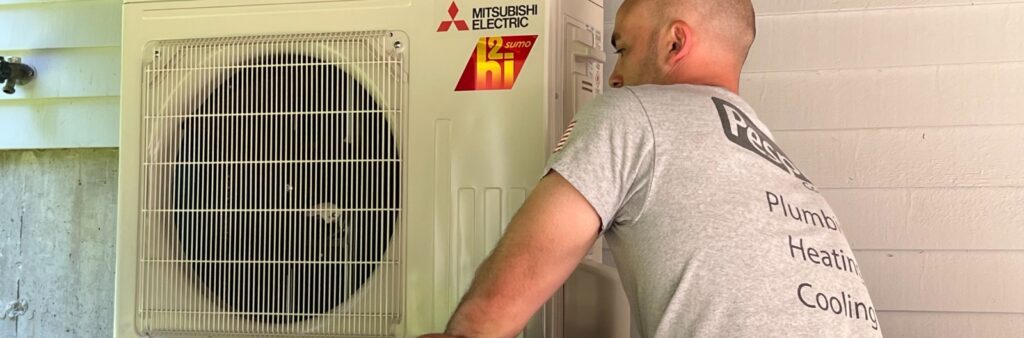
Installation begins with a thorough home assessment. The installer evaluates insulation, room dimensions, heat loss, and the state of the current heating system. This analysis ensures correct heat pump sizing.
Next comes system design. The installer determines whether the existing radiators can stay or need upgrading, whether a hot water cylinder is required, and where the outdoor unit should be placed.
This usually includes fitting the outdoor unit, connecting it to the indoor heating services, installing the cylinder if needed, and setting up the controls.
The system is tested and commissioned. This step confirms that temperatures, flow rates, and controls function properly. Quality setup is crucial, as even high-end units underperform if installation is hurried or poorly planned.
DIY Heat Pump Installation vs. Hiring a Professional
Some homeowners may consider installing it themselves, but hiring a professional is generally recommended.
Installing an air-to-water heat pump is far more complex than changing out a simple appliance. It requires system sizing, plumbing, electrical work, refrigerant management, and performance verification. If any element is incorrect, the entire system may fail.
DIY installation might appear cost-effective initially, but errors can result in poor efficiency, subpar heating, breakdowns, or costly future repairs. It may also invalidate warranties, compromise safety, and violate code requirements.
A professional installer provides expertise, appropriate tools, and a comprehensive understanding of how to match the unit to the property. This expertise maximizes system efficiency and longevity.
Finally
An air-to-water heat pump system offers a smarter way to heat a home and produce hot water. It is efficient, flexible, and well-suited for homeowners who want a lower-carbon alternative to traditional fuel-based systems.
The key is not just selecting the system, but also ensuring optimal design, sizing, and installation. When these elements align, an air-to-water heat pump delivers dependable comfort and lasting value.
Discover a better way to heat your home. Visit Pespisa Company to learn more about air-to-water heat pump systems.